Turn Learning into Measurable Performance.
Proof leaders can stand behind. Trusted by enterprise organizations worldwide.

















The Core Learning Stack Isn’t Built for Readiness.
Intrepid closes that gap with human-centered learning enhanced by AI, combining real-world application, collaboration, and personalized coaching to build measurable impact at scale.
Use Cases
Leadership Development
Learn MoreEmployee Onboarding
Learn MoreUpskilling
Learn MoreDigital Transformation
Learn MoreSales Enablement
Learn MoreCustomer & Partner Training
Learn MoreDiversity & Inclusion
Learn MoreAcademies
Learn More
See How Intrepid Can Help You Today!
Get a DemoThe Intrepid Difference
Turn practice into performance.
Intrepid builds real capability through structured and contextual practice, coaching, and application tied directly to work. Assignments, projects, and AI Activities help learners develop confidence through repetition, reflection, and guided improvement.
Grounded in proven learning science, every experience is designed to support long-term skill transfer and performance, not just content consumption or course completion.
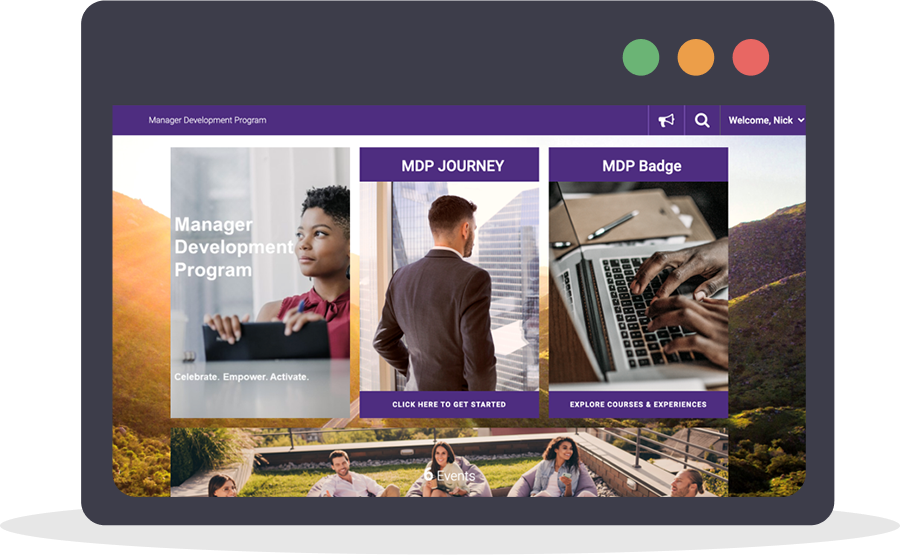
Keep development human and connected.
Intrepid is built on a simple belief: learning is social, and collaboration is the foundation, not a feature. Cohorts, peer interaction, and shared problem-solving are intentionally designed into Intrepid experiences so learners can learn with and from each other when it matters most.
The result is stronger engagement, shared accountability, and learning that sticks, whether through collaboration, guided practice, or personalized coaching.
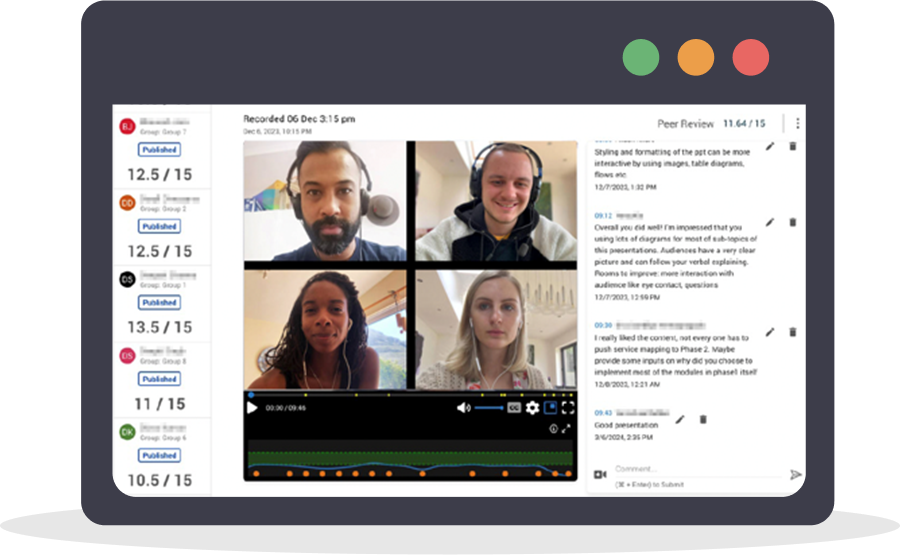
Scale personalization without isolation.
While many tools focus on generating answers or automating content, Intrepid applies AI to strengthen practice, feedback, and insight that’s grounded in your business context.
Instead of isolating learners in solo AI experiences, Intrepid strengthens collaboration, readiness, and performance through safe-to-fail practice and guidance.
Launch fast. Scale with confidence.
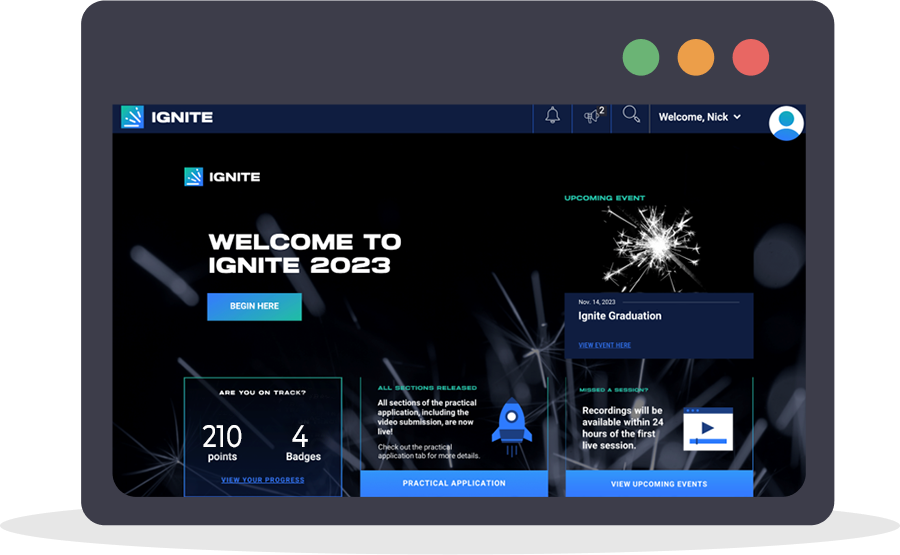
Run cohort, blended, self-paced, and in-the-flow programs from one platform. Intrepid helps teams launch quickly with proven templates, adapt as needs evolve, and support thousands of learners across time zones.
With integrations to your LMS and HR systems, automated sync and reporting, and enterprise-grade governance, you get end-to-end visibility without manual tracking or exports. And you’re supported every step of the way—customers rate our support and partnership 4.8 out of 5 and we’ve earned an NPS of 61.
Real Readiness. Real Results.

AI-Powered Practice Helps Frontline Leaders Improve Retention

From Click to Credential: Flexible Executive Education at Scale

From Passive to Powerful Onboarding in Healthcare
Celebrating Client Success!
100+ Industry Awards and Counting